


How Many Days Do You Really Need on Safari in Kruger South Africa?
- dtucker61
- May 16
- 5 min read
One of the most common questions people ask when planning an African safari is surprisingly simple: “How many days should we stay?”
The answer, though, is rarely straightforward.
Some travellers arrive for two nights and leave feeling as though they barely had time to settle in. Others stay a full week and suddenly understand why people return to Africa again and again. Much of it depends not only on the wildlife, but on the type of safari lodge chosen and the pace at which you experience it.

In places like the Greater Kruger region of South Africa, a safari can look very different from one lodge to the next. Most lodges on both Private Reserves as well as Public Parks operate around highly structured schedules — early wake-up calls, set meal times, fixed morning and afternoon drives, and a fairly repetitive rhythm from one day to the next. For some guests, especially those visiting Africa for the first time, that structure works perfectly well for a shorter stay as well as supporting "Lodge Hopping" (discussed later).
But longer stays require something different. They require space. Variety. Flexibility. The feeling that each day can unfold differently from the last. That is where safari becomes far less about ticking off sightings and more about genuinely experiencing a place.
The Traditional 2–3 Night Safari
For many years, the classic safari formula has been built around a short stay — often two or three nights at the most.
The reason is practical.
A traditional safari lodge tends to revolve almost entirely around two game drives per day. Guests wake before sunrise, head out for a few hours, return for breakfast and rest during the heat of the day, then head out again in the late afternoon before dinner.
It’s a rhythm that works well initially because everything feels new. The first lion sighting. The first elephant crossing the road. The first African sunset with a drink in hand. But after several days, many guests begin to realise they are following the same structure repeatedly, just in different locations. This is often why shorter safari itineraries became so common in the first place.
“Lodge Hopping”
There is another reason shorter safari stays became so common, particularly for international travellers coming to Africa for the first time.
For many guests, a safari to South Africa is not a small holiday. It is a significant journey — both in distance and expense — and naturally people want to make the most of it. Because of that, many travellers choose to split their stay across two or more lodges rather than spending an entire week in one place. Within the industry, this has become known as “lodge hopping.”
Part of it is practical. Different lodges offer different landscapes, wildlife, and styles of hospitality. But part of it is psychological too. Guests are often hesitant to commit to a long stay somewhere they have never experienced before. In many ways, it is similar to why first-time cruise guests often book shorter three-day cruises rather than a full seven-night voyage. Very few people want to feel “stuck” in an experience they may not enjoy.
Traditional safari lodges, with highly structured schedules and repetitive daily routines, naturally encouraged this kind of travel behaviour. Moving between lodges helps break up the rhythm and keep the experience feeling fresh. But as safari experiences evolve, that thinking has started to change.
When a lodge offers enough variety, flexibility, and depth beyond simply morning and afternoon game drives, guests often find themselves wanting to slow down rather than move on. Instead of trying to experience as many lodges as possible, they begin focusing on experiencing one place more deeply.
Why Longer Safaris Can Be Better
The reality is that Africa changes slowly. Some mornings feel quiet until suddenly they are not. Certain wildlife encounters happen only after hours of patience, while others appear unexpectedly when least anticipated. Weather shifts, animal movement changes, and each part of the Greater Kruger carries its own personality depending on the season.
The longer guests stay, the more likely they are to experience those changes naturally. But longer safaris only truly work when there is enough depth to the experience itself.
That might mean:
exploring different regions of the Greater Kruger,
enjoying slower days between activities,
or simply having enough time to absorb the environment rather than constantly and in most cases passively moving through it.
At Oase, we’ve found that guests staying five to seven nights almost always experience the Africa very differently from those visiting briefly. The safari becomes less rushed. Less structured. And far more personal.
Safari Shouldn’t Feel Repetitive
One of the reasons Oase was created was because we felt many safari experiences had become too predictable. Beautiful lodges. Exceptional wildlife. But often the same routine repeated day after day.
We wanted to create something with more balance.
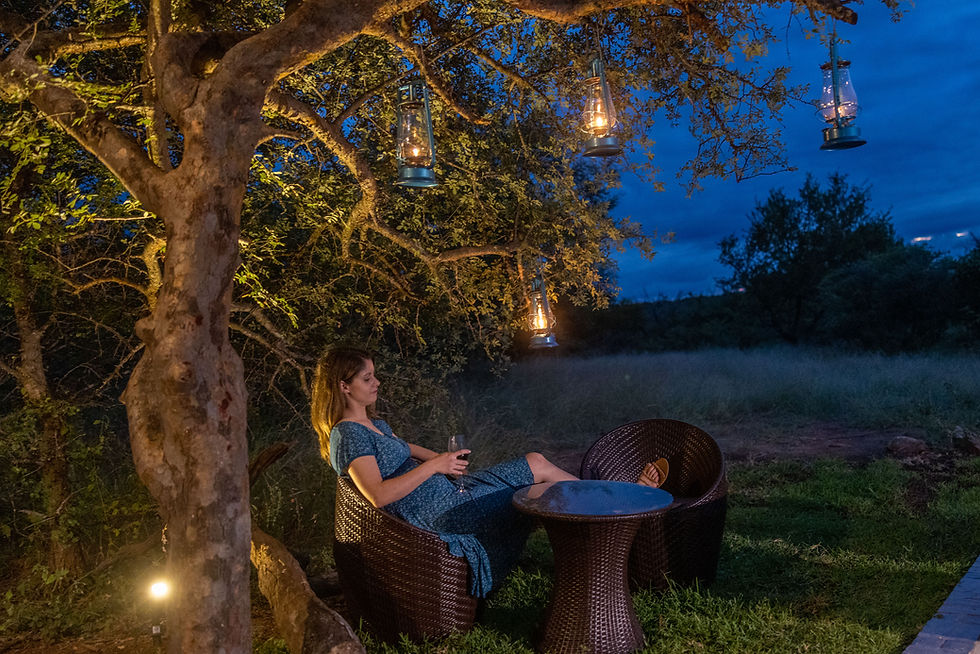
That’s why guests at Oase are not limited to two standard game drives per day. Some guests spend a full day exploring Kruger National Park with gourmet breakfast and lunch stops inside the park. Others choose slower mornings followed by leopard tracking walks, fishing along the Blyde River, spa treatments, bush cooking classes, wine tastings, or evening drives focused on rarer nocturnal wildlife such as aardvark, porcupine, African wild cat, and leopard.
Some days are busy. Others are intentionally quiet. And that flexibility changes the entire rhythm of a safari stay.
So… How Long Should You Stay?
There is no perfect answer, but there are general patterns we see repeatedly.
2–4 Nights
Best for:
Short South African itineraries.
First-time visitors with limited time.
Guests with limited time who are combining a safari with other locations such as Cape Town.
5–6 Nights
Often the ideal balance.
Guests begin to slow down, explore more experiences, and settle into the natural pace of the bush without feeling rushed.
7–8+ Nights
Best for:
Families who want to experience more but at the same time minimise travel time.
Repeat safari travellers.
Guests wanting a deeper connection to the environment.
Longer stays allow for a much broader safari experience — one that includes not only wildlife, but relaxation, food, atmosphere, wellness, and the slower "wow moments" that people often remember most.
The Safari Moments People Remember
Interestingly, the moments guests talk about most are not always the dramatic wildlife sightings.
Sometimes it’s breakfast beside the road in Kruger while elephants move through the trees nearby.
Sometimes it’s sitting quietly around the fire after dinner telling stories of Africa.
Sometimes it’s hearing lions in the distance while dossing of to sleep under the bright stars of the Milky Way.
The longer people stay, the more those moments begin to matter. And in many ways, those quieter moments are what safari is really about.
Choosing the Right Safari Pace
When planning a safari in South Africa, it’s worth thinking not only about where you want to go,
but how you want the experience to feel.
Some travellers enjoy highly structured itineraries and shorter stays. Others want something slower, more immersive, and more flexible. Neither approach is wrong. But understanding the difference before booking can completely change the kind of safari experience you have.
At Oase, we’ve always believed the best safaris happen when guests are given enough time — not only to see the bush, but to settle into it.


Comments